IRS Expected to Define Pornography as Adult Content Creators Are Excluded from Tip Tax Exemptions
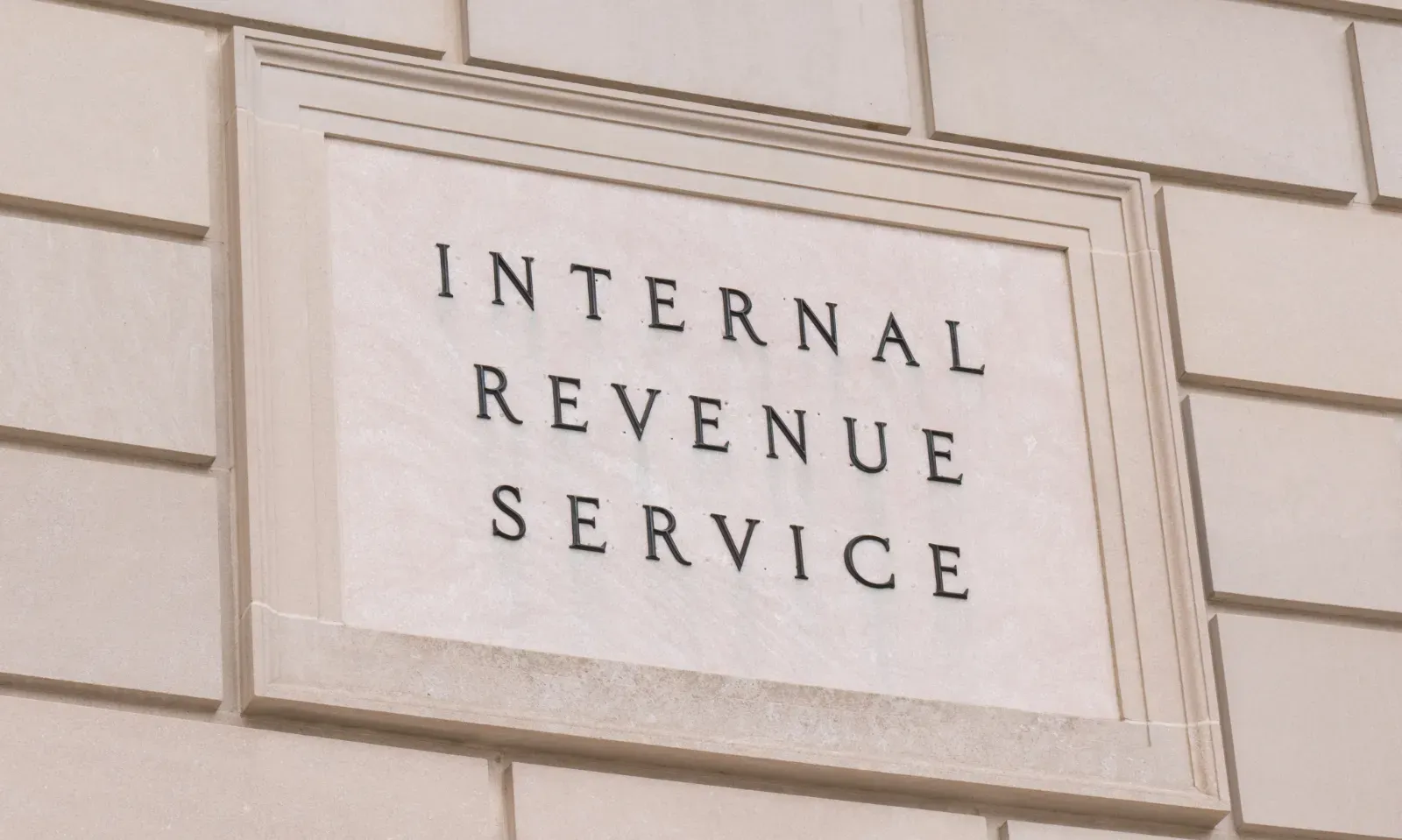
WASHINGTON — The Internal Revenue Service (IRS) will have the responsibility of clarifying what qualifies as online pornography and adult content creation as part of the enforcement of the Trump administration’s "no tax on tips" provision included in the One Big Beautiful Bill Act, reports indicate.
AVN noted that the initial guidance on this tax deduction only applies to “qualified tips” within a list of approved professions such as “digital content creators.” However, the legislation lacks a clear definition of what constitutes “digital content creators.” The IRS draft guidance specifically disqualifies tips linked to activities considered illegal, including prostitution, escorting, and pornography.
Notably, the guidance states that tips earned from “pornographic activity are not qualified tips.” Yet, no universal or precise definition of “pornography” exists in this context. According to The New York Times, IRS officials, including auditors and members of the agency’s criminal investigations division, will rely on subjective judgment — essentially “knowing it when they see it” — to determine what counts as obscenity.
The exclusion of “pornographic activity” from the tax break was influenced by advocacy from a coalition of conservative and Christian nationalist groups. In September, these groups, led by Advancing American Freedom—a group founded by former Vice President Mike Pence—sent a joint letter urging Treasury Secretary Scott Bessent not to extend tax deductions to adult content creators or other professionals involved in pornographic work.
The letter argued, “Rather than distort Congress' language, Treasury should stick to the statute: providing tax relief for the waiters, hairdressers, delivery drivers, and other workers who make up America's proud service industries.” It characterized adult content creation as a moral hazard and harmful to families.
Signatories of the letter included organizations such as the Family Research Council and the Ethics and Public Policy Center, many of which have been designated by civil rights watchdogs like the Southern Poverty Law Center as anti-LGBTQ+ or anti-government hate groups.
Other signatories are connected to Project 2025, a Heritage Foundation initiative advocating for banning pornography. Many of these groups also support strict age-verification laws for adult websites, social media, and app stores.
Tax attorney Nate Mallory, who represents clients in the adult industry, told AVN earlier that the “no tax on tips” rule would likely exclude creators on popular platforms such as OnlyFans, LoyalFans, and Fansly. Mallory emphasized that “tax policy should be based on economic principles, not moral judgments.”
Article rephrased based on original reporting by AVN and The New York Times.